
Comprehensive Children's Preventive Care Tips for Healthy Growth

When it comes to raising happy, healthy children, prevention is always better than cure. I’ve seen firsthand how early and consistent care can make a world of difference in a child’s life. That’s why I want to share some practical, easy-to-follow children’s preventive care tips that can help families in Clovis, New Mexico, support their little ones from infancy through adolescence.
Preventive care is not just about avoiding illness. It’s about nurturing your child’s overall well-being—physically, emotionally, and socially. By focusing on prevention, we can catch potential issues early, promote healthy habits, and build a strong foundation for lifelong health.
Why Children's Preventive Care Tips Matter
Children grow and change so quickly. Their bodies and minds develop at a rapid pace, and each stage brings new challenges and opportunities. Preventive care helps us stay ahead of these changes by:
Monitoring growth and development milestones
Identifying health risks early
Providing timely vaccinations
Encouraging healthy nutrition and physical activity
Supporting mental and emotional well-being
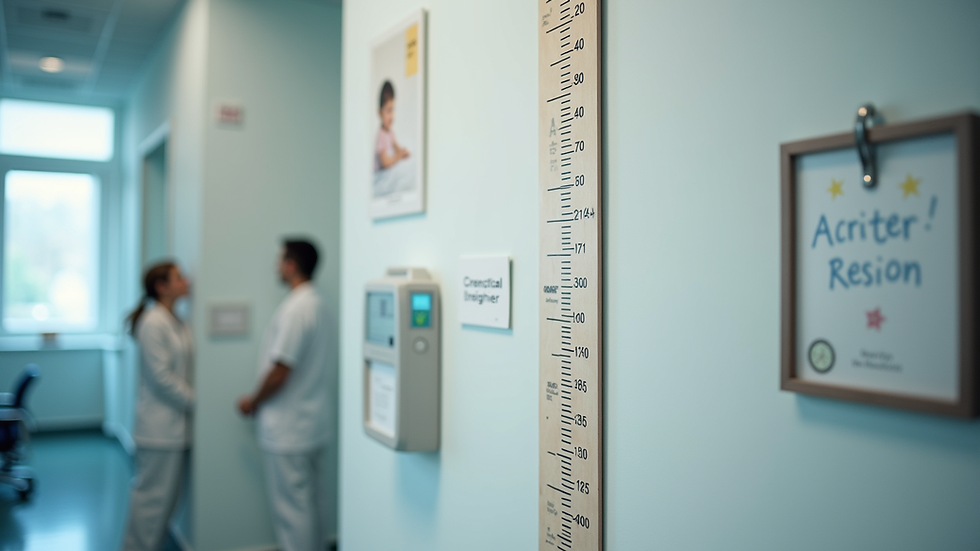
For example, regular check-ups allow your pediatrician to track your child’s height, weight, and developmental progress. If something seems off, early intervention can prevent more serious problems later on.
In Clovis, where community and family ties are strong, having a trusted pediatric care provider who understands local needs is invaluable. It means your child’s health is supported by someone who cares deeply about their future.
Essential Children's Preventive Care Tips for Every Stage
Preventive care looks different depending on your child’s age. Here are some key tips for each stage:
Infancy (0-12 months)
Regular well-baby visits: These visits are crucial for tracking growth, checking reflexes, and ensuring your baby is meeting milestones.
Vaccinations: Follow the recommended immunization schedule to protect against serious diseases.
Safe sleep practices: Always place your baby on their back to sleep, use a firm mattress, and keep the crib free of soft toys or blankets.
Nutrition: Breastfeeding is encouraged when possible, but formula feeding is a healthy alternative. Introduce solid foods around 6 months, focusing on iron-rich options.
Toddlerhood (1-3 years)
Developmental screenings: Toddlers grow rapidly in language, motor skills, and social interaction. Early screenings can catch delays.
Healthy eating habits: Offer a variety of fruits, vegetables, whole grains, and proteins. Limit sugary snacks and drinks.
Physical activity: Encourage active play to build strength and coordination.
Oral care: Begin brushing your child’s teeth twice daily and schedule their first dental visit by age 1.
Early Childhood (4-7 years)
Vision and hearing checks: These are important as your child starts school to ensure they can learn effectively.
Safety education: Teach basic safety rules, such as wearing helmets when biking and looking both ways before crossing the street.
Emotional support: Help your child express feelings and develop social skills through play and conversation.
Middle Childhood (8-12 years)
Healthy lifestyle habits: Continue promoting balanced nutrition and regular exercise.
Mental health awareness: Watch for signs of anxiety, bullying, or stress, and encourage open communication.
Screen time limits: Set reasonable boundaries to balance technology use with physical activity and sleep.
Adolescence (13-18 years)
Confidential health discussions: Teens may have questions about puberty, sexuality, and mental health. Create a safe space for honest talks.
Risk behavior prevention: Educate about the dangers of smoking, alcohol, drugs, and unsafe driving.
Vaccinations: Ensure they receive vaccines like the HPV vaccine and meningococcal booster.

How to Make Preventive Care a Family Priority
I know life can get busy, but making preventive care a priority is one of the best gifts you can give your child. Here are some tips to help you stay on track:
Schedule regular check-ups: Mark well-child visits on your calendar and treat them as non-negotiable appointments.
Keep a health journal: Track your child’s growth, vaccinations, illnesses, and any concerns you notice.
Ask questions: Don’t hesitate to talk openly with your pediatrician. No question is too small when it comes to your child’s health.
Create healthy routines: Establish consistent meal times, bedtime rituals, and physical activity habits.
Stay informed: Reliable resources and community programs can offer support and education.
By following these steps, you create a supportive environment where your child can thrive.
Understanding the Role of Pediatric Preventive Care Guidelines
In my practice, I rely on trusted pediatric preventive care guidelines to ensure every child receives the best possible care. These guidelines are developed by experts and updated regularly to reflect the latest research and recommendations.
They cover everything from immunization schedules to screening tests and counseling topics. Using these guidelines helps me provide consistent, evidence-based care tailored to each child’s unique needs.
For families in Clovis, having access to a pediatrician who follows these guidelines means your child’s health is managed with the highest standards in mind.
Supporting Emotional and Social Health Alongside Physical Care
Preventive care is not just about physical health. Emotional and social well-being are equally important. Children who feel safe, loved, and supported tend to do better in school and life.
Here are some ways to nurture your child’s emotional health:
Encourage open communication: Let your child know it’s okay to share their feelings.
Model healthy coping skills: Show how you handle stress and challenges calmly.
Promote friendships: Help your child build positive relationships with peers.
Watch for warning signs: Changes in behavior, sleep, or appetite may signal emotional struggles.
If you notice concerns, don’t hesitate to seek professional support. Early help can make a big difference.
Creating a Healthy Home Environment
Your home is the first line of defense in preventive care. Small changes can have a big impact:
Keep a smoke-free home: Avoid exposing children to secondhand smoke.
Practice good hygiene: Teach handwashing and respiratory etiquette.
Ensure safe surroundings: Use childproof locks, secure furniture, and store medicines out of reach.
Promote balanced screen time: Encourage activities that stimulate creativity and physical movement.
By making your home a safe and healthy place, you support your child’s growth every day.
Building a Lifelong Partnership with Your Pediatrician
One of the most valuable things you can do is build a trusting relationship with your child’s pediatrician. This partnership allows for:
Personalized care tailored to your child’s needs
Early detection of health issues
Guidance on nutrition, behavior, and development
Support during challenging times
At my practice in Clovis, I strive to be a compassionate partner for families, offering continuous care from infancy through adolescence. Together, we can help your child reach their full potential.
Taking these comprehensive children’s preventive care tips to heart can set your child on a path to a healthy, happy future. Remember, prevention is a journey we take together, one step at a time. Your child’s well-being is worth every effort.


Comments