
Understanding Pediatric Care Basics: A Guide to Preventive Health for Your Child

When it comes to caring for our children, prevention is always better than cure. I’ve learned that understanding the basics of pediatric care can make a huge difference in keeping kids healthy and happy. From newborns to teenagers, every stage of childhood has unique needs. That’s why following clear, compassionate guidelines helps families feel confident and supported.
In this post, I want to share what I’ve found to be the most important aspects of pediatric preventive care. I’ll explain what you can expect during well-child visits, how vaccinations fit into the picture, and simple ways to promote healthy habits at home. Together, we can build a strong foundation for your child’s lifelong wellness.
Pediatric Care Basics: What Every Family Should Know
Pediatric care is more than just treating illnesses. It’s about preventing problems before they start. This means regular check-ups, screenings, and guidance tailored to your child’s age and development. These visits are opportunities to ask questions, track growth, and catch any concerns early.
Here are some key elements of pediatric care basics:
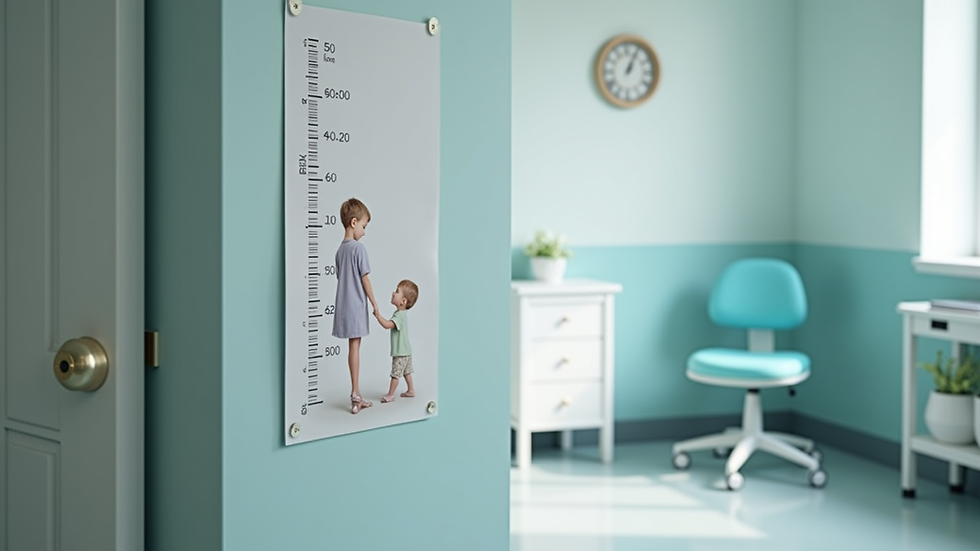
Growth and Development Monitoring: Doctors measure height, weight, and head circumference to ensure your child is growing well. They also check milestones like walking, talking, and social skills.
Nutrition and Feeding Advice: From breastfeeding tips to balanced meals for toddlers, nutrition is a cornerstone of health.
Behavior and Emotional Health: Pediatricians discuss sleep patterns, mood, and behavior to support mental well-being.
Safety Counseling: This includes car seat use, safe sleep practices, and injury prevention at home and outdoors.
By staying on top of these areas, you help your child thrive physically and emotionally.
The Role of Vaccinations in Pediatric Care Basics
Vaccinations are one of the most effective tools we have to protect children from serious diseases. Following the recommended immunization schedule helps build immunity early and keeps communities safe.
Here’s what you should know about vaccines:
Timing Matters: Vaccines are given at specific ages to provide the best protection when children are most vulnerable.
Common Vaccines: These include those for measles, mumps, rubella, polio, chickenpox, and flu.
Safety and Side Effects: Most vaccines cause only mild side effects like soreness or a low fever. Serious reactions are very rare.
Keeping Records: Always bring your child’s immunization record to appointments to ensure they are up to date.
If you ever have questions or concerns about vaccines, your pediatrician is the best person to talk to. They can provide clear, evidence-based answers to help you make informed decisions.
What to Expect During Well-Child Visits
Well-child visits are the heart of preventive care. These appointments are scheduled regularly from infancy through adolescence. They focus on your child’s overall health, not just when they’re sick.
During a typical visit, you can expect:
Physical Exam: The doctor will check your child’s body systems, listen to the heart and lungs, and look for any signs of illness.
Developmental Screening: This helps identify if your child is meeting age-appropriate milestones.
Health History Review: You’ll discuss any recent illnesses, injuries, or concerns.
Guidance and Counseling: The doctor will offer advice on nutrition, sleep, behavior, and safety.
Vaccinations: If it’s time, your child will receive recommended vaccines.
These visits are also a great time to talk about your child’s emotional health and any challenges they might be facing at school or home.

Supporting Healthy Habits at Home
Preventive care doesn’t stop at the doctor’s office. What you do at home every day plays a huge role in your child’s health. Here are some practical tips to encourage healthy habits:
Balanced Diet: Offer a variety of fruits, vegetables, whole grains, and lean proteins. Limit sugary snacks and drinks.
Regular Physical Activity: Encourage at least 60 minutes of active play daily. This can be anything from biking to dancing.
Consistent Sleep Schedule: Children need plenty of rest. Set regular bedtimes and create a calming bedtime routine.
Good Hygiene: Teach handwashing, dental care, and covering coughs or sneezes.
Limit Screen Time: Too much screen time can affect sleep and behavior. Set clear limits and encourage other activities.
By modeling these habits yourself, you create a supportive environment where your child can flourish.
Building a Lifelong Partnership with Your Pediatrician
Choosing a pediatrician is about more than just medical care. It’s about finding someone who understands your family’s values and supports your child’s unique needs. A strong partnership with your pediatrician means:
Open Communication: Feel comfortable sharing your questions and concerns.
Continuity of Care: Seeing the same doctor over time helps build trust and a deeper understanding of your child’s health.
Community Connection: Your pediatrician can connect you with local resources, support groups, and activities.
Advocacy: They will stand by your child’s side through all stages of growth and any health challenges.
At the heart of this relationship is a shared goal: helping your child grow into a healthy, happy adult.
Taking the time to understand and follow pediatric preventive care guidelines can make a lasting difference. These guidelines are designed to keep children safe, healthy, and thriving. Remember, you are not alone on this journey. With the right knowledge and support, you can confidently navigate your child’s health every step of the way.


Comments